
For years, retailers have been fighting the same battle: how do we get more people through the door?
The industry responded with promotions, loyalty programs, social media campaigns, influencer partnerships, and endless attempts to drive traffic. But the most innovative brands are asking a different question:
What if the goal isn’t simply to get customers to visit? What if the goal is to give them a reason to stay?
The future of retail may not be about stores at all. It may be about destinations.
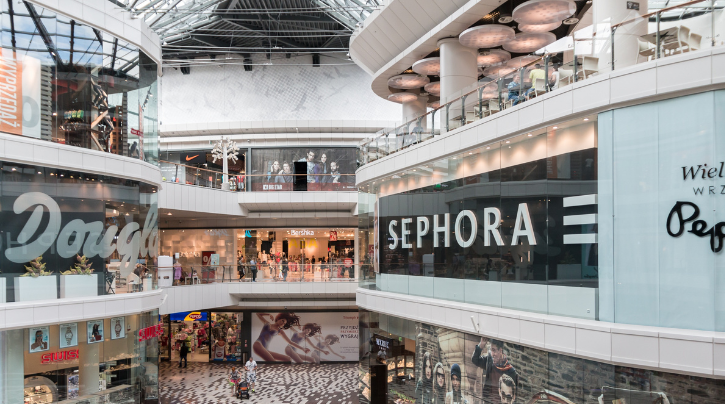
The New Retail Equation
Consumers can buy almost anything from their couch. Faster, cheaper, and often with less effort than visiting a store.
That means physical retail has to offer something e-commerce can’t.
Not just products. Not just convenience. An experience.
A sense of community. A reason to spend time. A reason to come back.
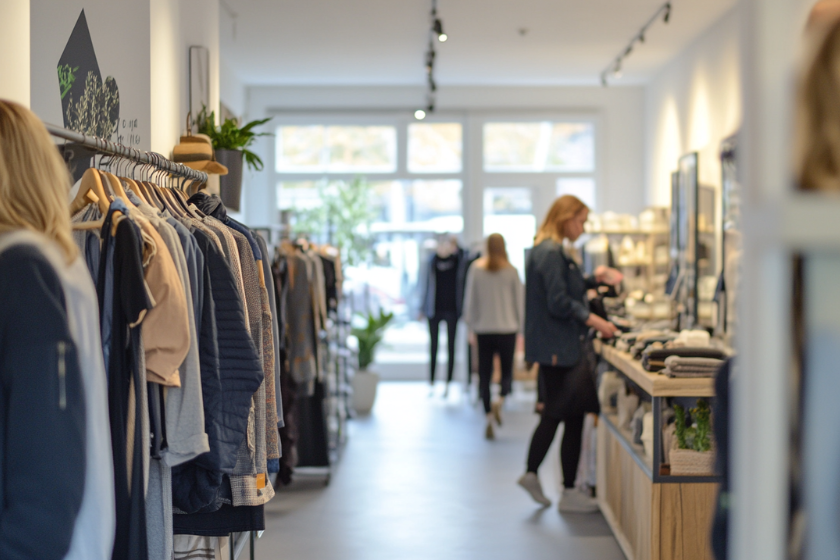
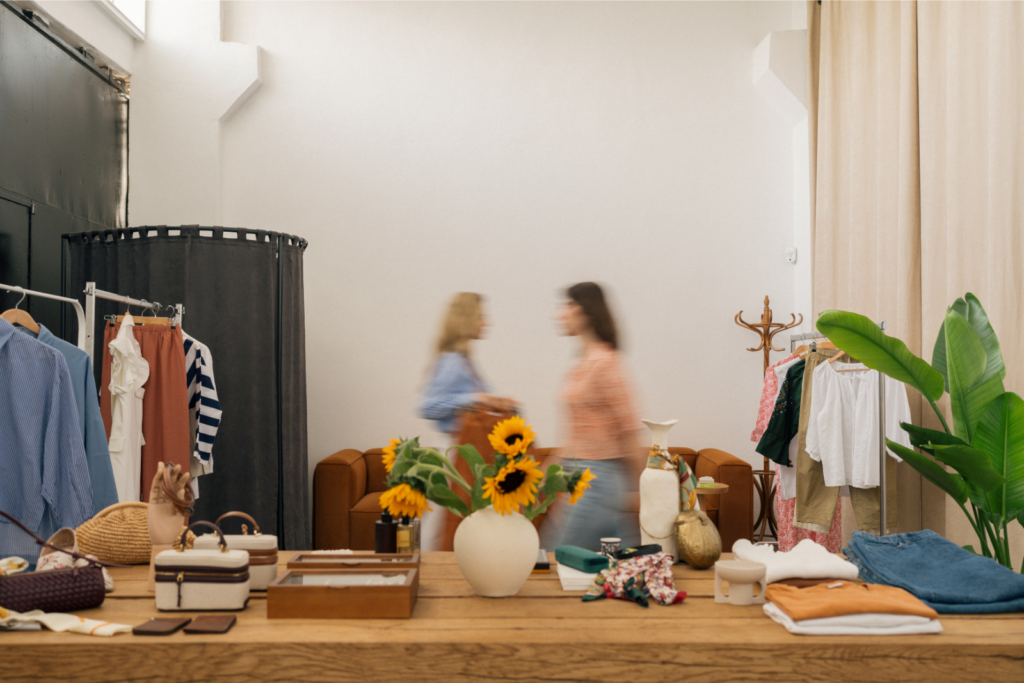
The most interesting retailers aren’t building better stores. They’re creating places people actually want to be.
Five Emerging Destination Retail Models
As we’ve studied brands investing in experiential retail, five distinct models are beginning to emerge.
1. Hospitality: Eat, Drink, Gather
Some retailers are borrowing directly from the hospitality industry.
Tecovas has introduced bars into select stores, allowing customers to grab a drink while shopping. RH has gone even further, transforming furniture galleries into destinations complete with restaurants, wine bars, rooftop gardens, and design experiences.
What’s remarkable is that people often visit these locations without any intention of making a purchase.
The visit itself becomes the value. The product becomes part of the experience rather than the sole purpose of it.
2. Education: Learn Something New
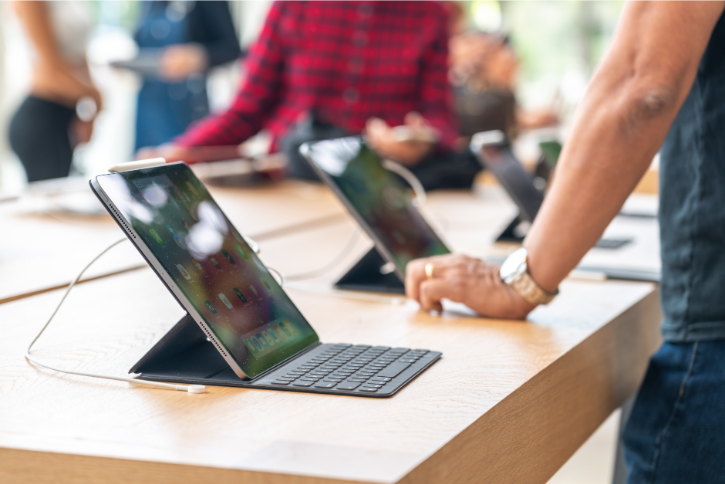
Apple pioneered this model years ago with Today at Apple.
Customers visit stores for photography classes, creative workshops, coding sessions, and educational programming. Outdoor retailer REI uses a similar approach through hiking clinics, camping classes, and outdoor skills training.
These brands understand something many retailers overlook:
People may purchase once, but learners return repeatedly. Education creates ongoing engagement long after the initial transaction.
3. Community: Find Your People
Some of the strongest experiential retail brands aren’t really retailers anymore. They’re communities.
Lululemon’s run clubs, ambassador programs, and local events create connections that extend far beyond apparel. Arc’teryx, Nike, and other performance brands have built similar ecosystems where stores function as gathering places for people who share common interests and identities.
In these models, customers aren’t simply buying products. They’re joining something.
4. Entertainment: Be Part of the Culture
Perhaps the most intriguing development comes from Gap Inc., which recently created a Chief Entertainment Officer role to lead what the company calls its “Fashiontainment” strategy.
The position oversees entertainment, gaming, sports, music, licensing, and cultural partnerships across the company’s portfolio of brands. This signals a shift from selling products to creating cultural relevance.
The question is no longer, “How do we sell more merchandise?”
It’s becoming, “How do we create moments people want to participate in?”
5. Wellness: Become a Better Version of Yourself
Brands like Alo and Lululemon increasingly position themselves around personal growth and wellbeing.
Stores become extensions of a larger wellness ecosystem that includes fitness, mindfulness, education, coaching, and community.
The product is still important.
But it becomes part of a broader aspiration.
Customers aren’t simply buying apparel.
They’re buying progress.
The Organizational Challenge No One Is Talking About
Most conversations about experiential retail focus on the customer experience. Few focus on what it takes to deliver that experience consistently. That’s where things get interesting.
What happens when a store becomes part café, part classroom, part community center, and part retail environment? Who owns the experience?
Is it Marketing? Store Operations? Merchandising? Community? A newly emerging Experience function?
The organizational implications are significant.
Store managers need new skills. Labor models need to evolve. Success metrics need to expand beyond sales per square foot. Training must prepare associates to facilitate experiences, not just transactions.
Experiential retail isn’t simply a store design strategy. It’s an operating model.
The Real Question
The most innovative retailers are no longer asking: “How do we get customers to buy from us?”
They’re asking: “What role do we want to play in our customers’ lives?”
The answer determines everything.
A hospitality brand creates gathering spaces. An educational brand creates learning opportunities. A community brand creates belonging. An entertainment brand creates moments. A wellness brand creates transformation.
The retailers that win won’t necessarily have the best products or the most stores.
They’ll be the ones that give customers a reason to show up, stay longer, and come back again.
Because in a world where anything can be purchased online, the most valuable thing a physical store can offer isn’t inventory. It’s a destination.
Ready to learn more?
At Thread Advisory Group, we help retailers design store operations, leadership programs, and selling models that bring customer experience back to the center of the business.
Connect with us or learn more at Thread Advisory Group.
If this post somehow made it to your inbox and you’d like to receive more of them, subscribe to our newsletter here: ThreadLines™
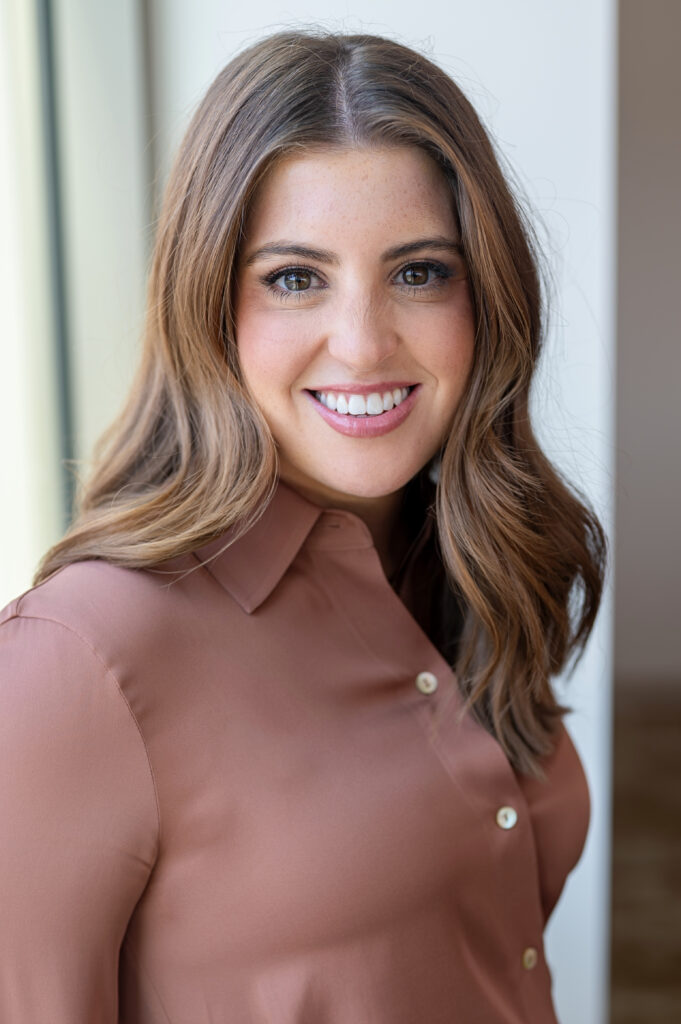
This blog was written by Anna Kenney, Managing Partner and Co-Founder of Thread Advisory Group.
A merchant at heart, Anna led the Instant Yoga program at Victoria’s Secret PINK, where she helped build one of the fastest retail speed to market models of its time. With nearly 20 years of experience across merchandising, operations, and consulting, she now partners with retail organizations to align strategy, product, and operating models from strategy to solution.






TAG - You're It!