

There was a time in retail when associates knew their customers by name. Not through a CRM dashboard. Not through an automated loyalty email. But through real relationships.
When I worked as a Beauty Advisor for Estée Lauder in the early 90’s, clienteling wasn’t a “program.” It was simply part of the job.
I would spend hours:
- Handwriting notes to customers
- Calling them personally about upcoming events
- Letting them know when their favorite product was back in stock
- Inviting them to the twice-annual (not weekly) Gift With Purchase
Over time, I knew their:
- Favorite shades
- Preferred fragrance
- When they were running low on products
- Which events they loved to attend
Those clients didn’t just come into the store for Estée Lauder.
They came in asking for me because they knew I understood them.
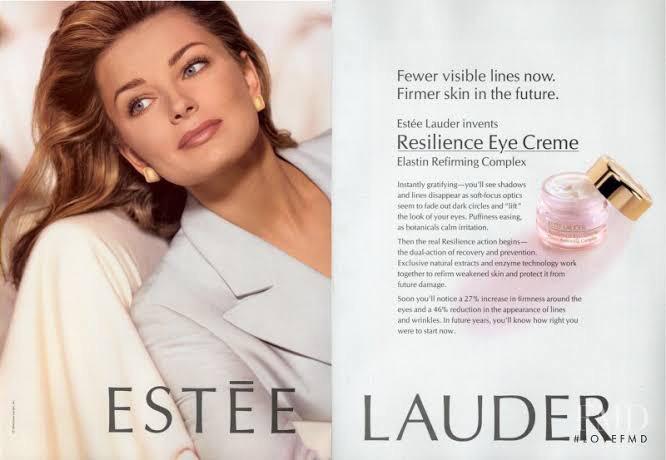
source: reddit.com/r/ANTM/comments/r4j4c5/paulina_porizkovas_estee_lauder_campaigns_in_1990s/
When Did Retail Lose This?
Somewhere along the way, retail shifted. Automation replaced relationships.
Today we have:
- CRM systems
- Automated marketing journeys
- AI-powered product recommendations
- Loyalty databases with millions of customers
And yet many shoppers say the same thing: “I feel like just a number.”
Retail knows more about customers than ever before — but customers often feel less known than they did 30 years ago.
Technology Was Supposed to Personalize Retail
Instead, it sometimes created distance.
Customers now receive:
- Dozens of automated emails
- Algorithm-driven recommendations
- Push notifications
- Digital promotions
But the one thing that still stands out?
A human being who remembers them.
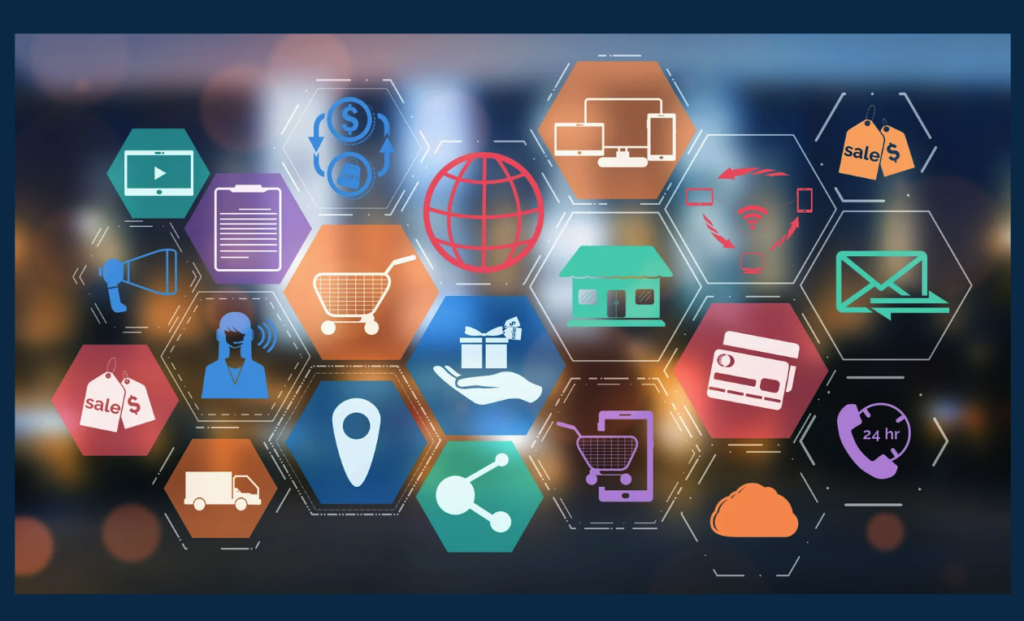
The Real Competitive Advantage Stores Still Have
Physical retail has something e-commerce can’t replicate…human connection.
The most successful stores still have associates who:
- Remember repeat customers
- Reach out personally when new product arrives
- Invite clients to events
- Follow up after a purchase
Clienteling drives:
- Repeat visits
- Higher basket size
- Deeper brand loyalty
In categories like beauty, luxury, and specialty retail, it can be the difference between a one-time sale and a lifelong customer.
Clienteling Doesn’t Mean Going Backward
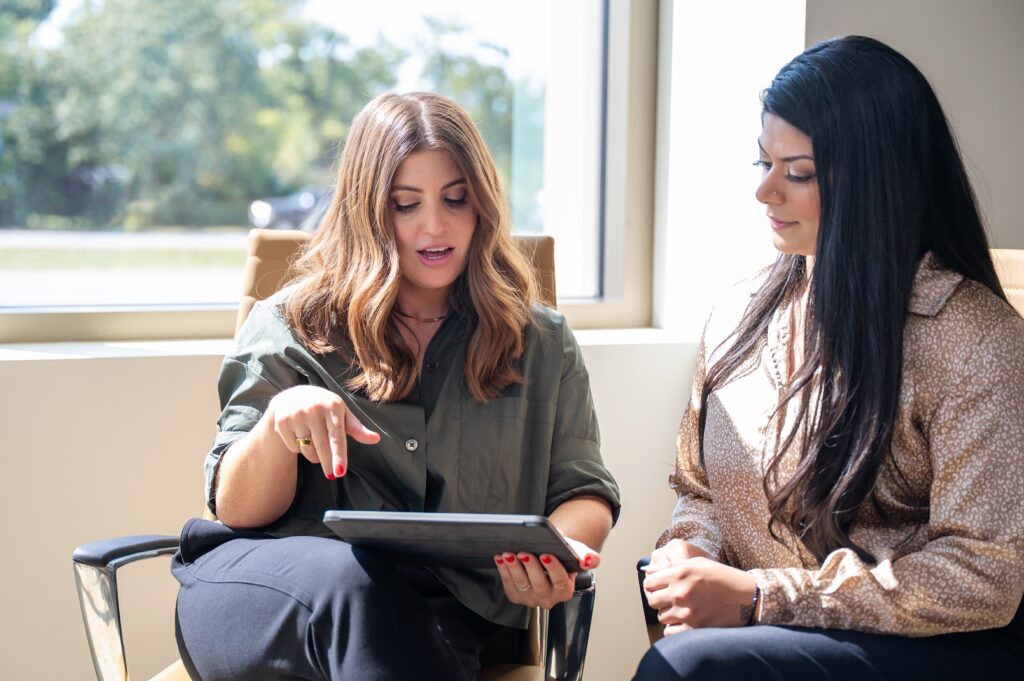
The goal isn’t to return to handwritten notes neccesarily (although there was something magical about them). The opportunity is to combine technology with authentic relationships.
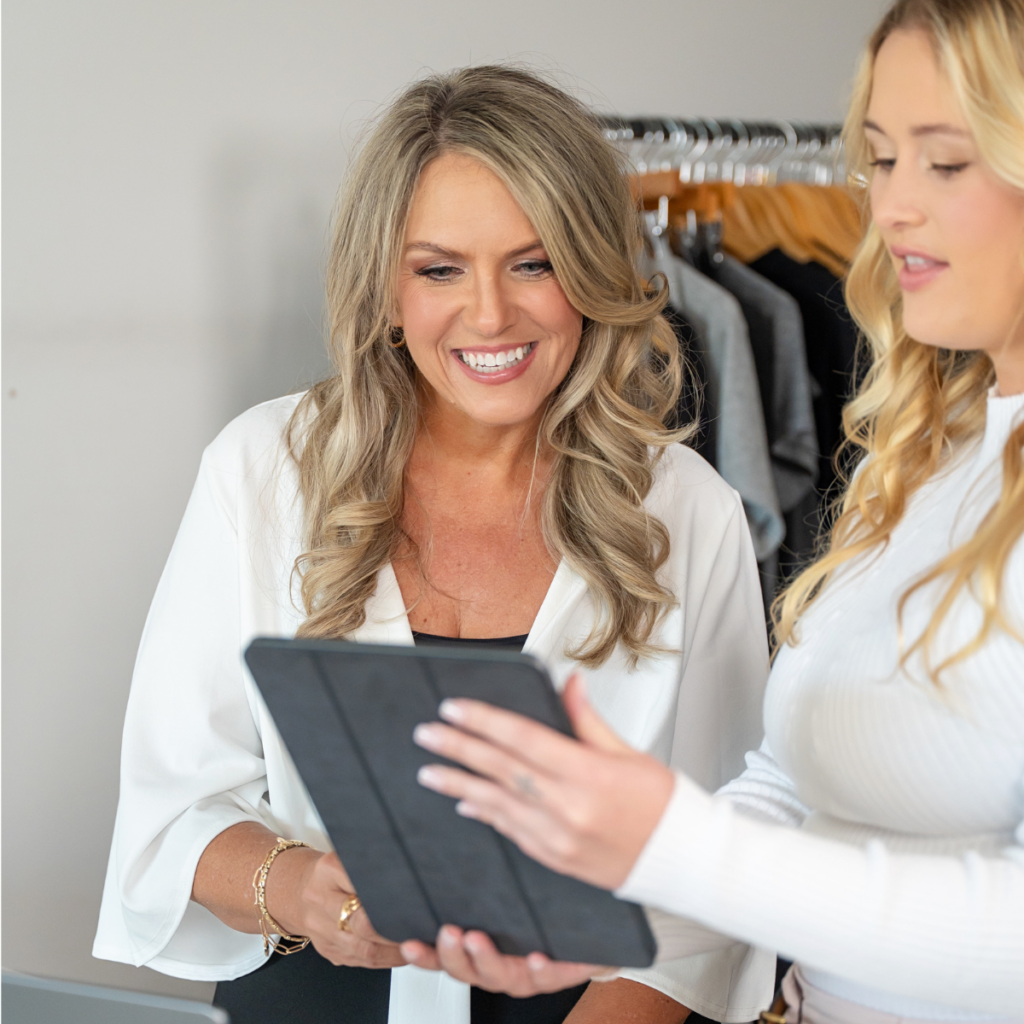
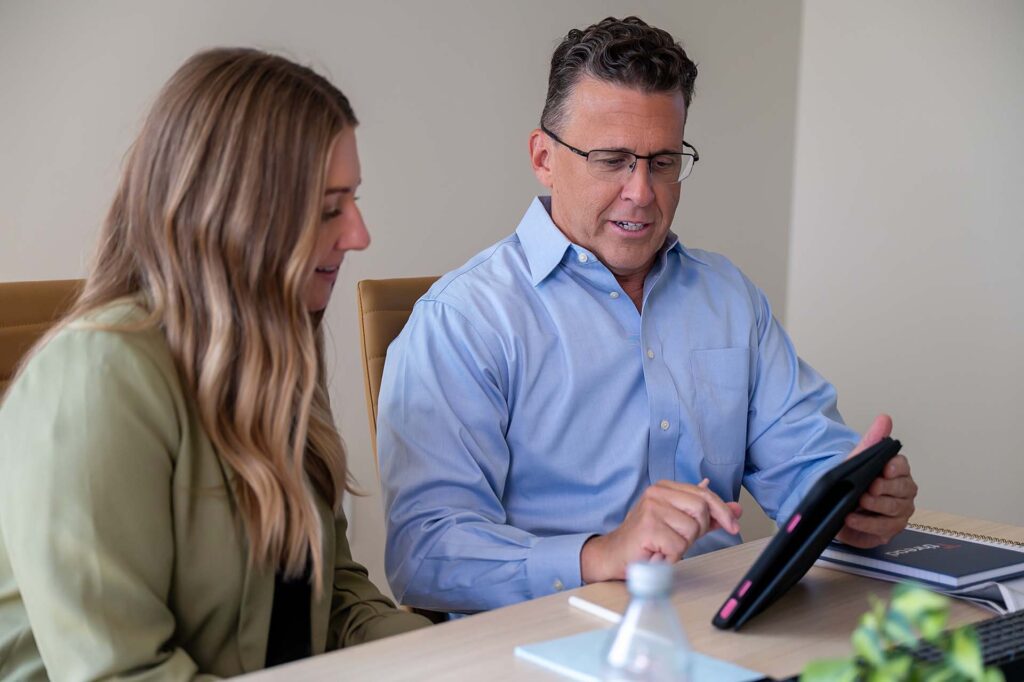
Imagine giving associates tools that help them:
- See purchase history instantly
- Track preferences
- Send personal follow-ups
- Invite clients to events
- Notify them when items arrive
Technology should enable relationships, not replace them.
The Opportunity for Retail
Retailers that bring clienteling back will have a powerful advantage.
Customers remember how they feel when they walk into a store.
They remember the associate who helped them.
They remember the conversation.
They remember when someone took the time to care.
And they come back.
So is clienteling dead?
Not even close.
It’s simply waiting for retailers to rediscover it.
Ready to Learn More?
At Thread Advisory Group, we help retailers design store operations, leadership programs, and selling models that bring customer experience back to the center of the business.
Connect with us or learn more at Thread Advisory Group.
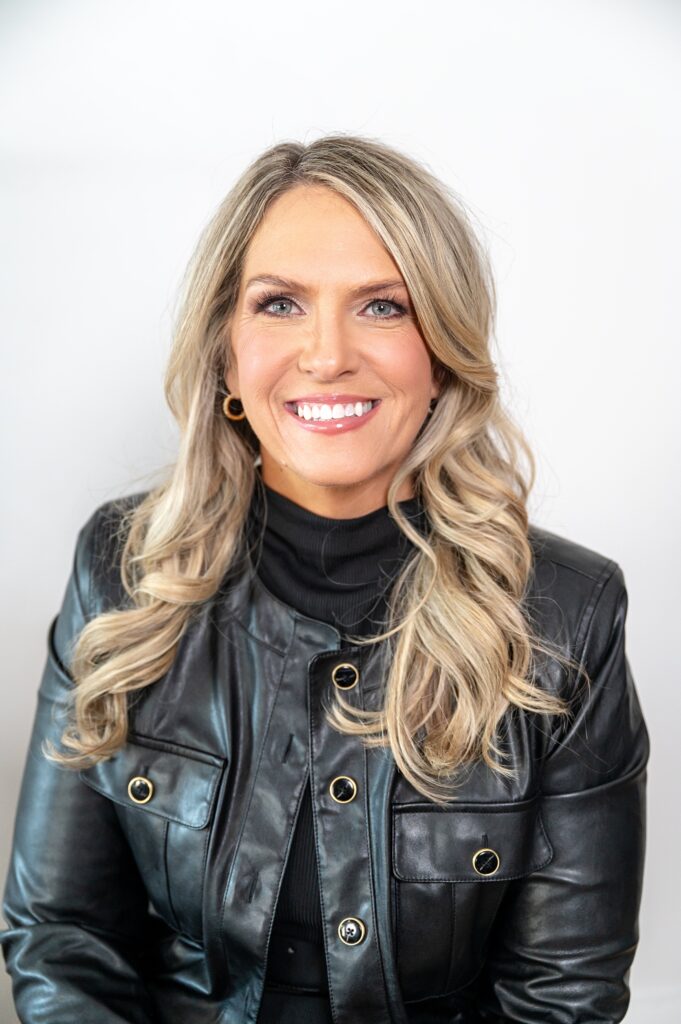
Carrie Habel is the author of this blog and the Co-Founder and Managing Partner of Thread Advisory Group. With decades of experience across retail operations, Carrie partners with organizations to strengthen store performance, develop leaders, and design practical solutions that work in the real world.
Her early career as a Beauty Advisor shaped her belief that great retail is built on human connection, not just transactions.








TAG - You're It!