
Fifteen years ago — 2011 — the Instant Yoga program at Victoria’s Secret PINK kicked off. At the time, I knew that we were building a retail speed to market model, but I didn’t fully realize the true impact of what we were building. I just knew we were moving fast.
From the time I said “go,” we could have a pair of the iconic foldover yoga pants in stores in 9 days. They were being produced in Sri Lanka. Order date to in-store in 9 days.
It’s wild to think about now. I haven’t seen anything like it since.
Les was hot on Zara’s trail back then. He would say in our all-day merchant offsites, “The closer you are to your target, the more right you will be.” Meaning, the longer you could wait to make a decision, and the more in-season insight you could use, the more likely you were to hit the trend when it was actually trending. Higher sell-through. Lower markdowns. Every merchant’s greatest expense avoided.
Since I started consulting, I’ve been surprised at how little we talk about speed models. In many organizations, we aren’t chasing speed anymore. In some cases, we’re moving in the opposite direction.
How did we get slower?
I’ve been thinking about this for a while — it’s been marinating. After a lot of conversations with past colleagues, a few themes keep coming up.
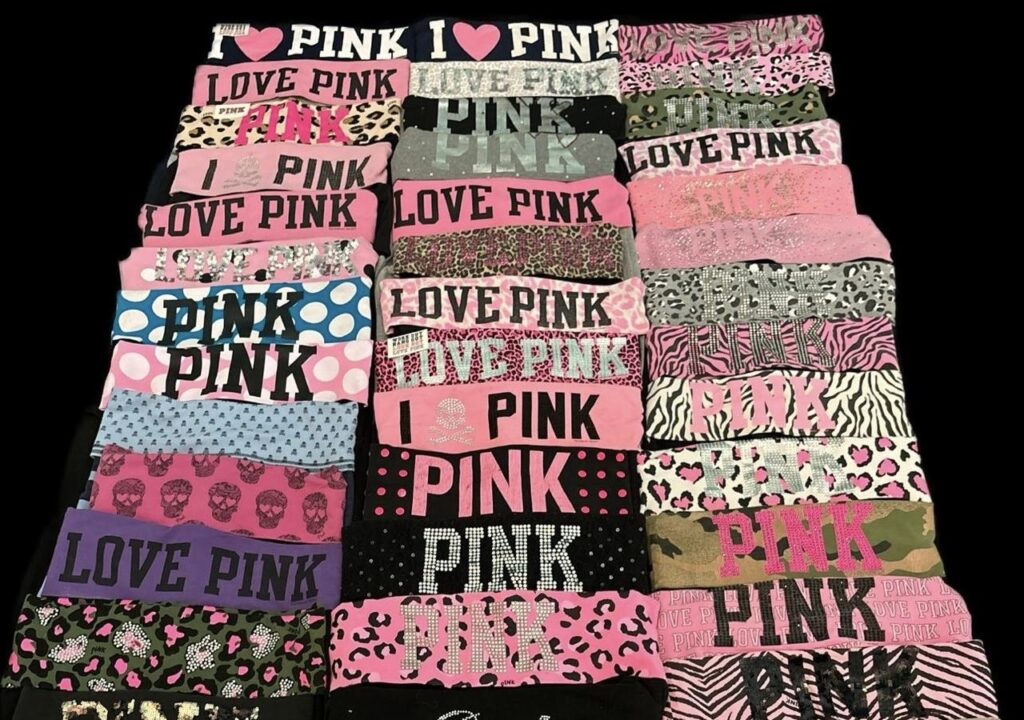
Victoria’s Secret PINK foldover yoga pants currently being sold on Depop for over $1,000
Education
Merchandising teams used to own both the product and the financial impact. At L Brands, we truly did both.
The financial side is easier to teach. You learn math in school. Plan versus budget. Supply and demand. Those fundamentals haven’t changed.
The product side is very different.
Unless you’ve spent time in factories, negotiated costs, understood how materials are sourced, or walked a production line, it’s hard to know what questions to ask. Even if you went to a fashion school, the textbook version isn’t the same as real-world manufacturing.
With teams becoming more siloed and more digital, merchants often don’t have the same proximity to manufacturing anymore.
What steps can be eliminated?
Is that extra finish really worth the cost and time?
What lever can be pulled?
If you don’t know how it’s made, it’s hard to make it faster.
Team Synergy & Trust
Speed requires trust. A lot of it.
It’s an assembly line of decisions. One person cannot do it alone. You pass the ball to sourcing, to planning, to logistics — and you trust they’ll catch it and keep moving.
Remote work changed how teams operate. The pandemic shook the global supply chain. Borders closed. Materials got stuck. Headcount was reduced. There was a real sense of panic for a while — just try not to hemorrhage the business.
That mindset still lingers. It makes people more cautious. More protective. Less willing to experiment with models that feel risky.
Caution slows things down.
Cost
Let’s be honest — speed models are expensive.
For that 9-day program, we aired everything. Materials to factory. Finished goods to the port, and then also to the DC. Product to stores. We also carried stock positions in yarn, fabric, and materials.
Cash flow matters. Especially in public companies. Speed does not look pretty on paper. But the upfront investment offsets something significant: markdowns.
That was always the tradeoff. Spend more early to protect margin later.
Today, I think the initial cost scares people away before they fully weigh the downstream benefit. Many organizations have become short-sided and have lost the vision for the long term impact.

Egos
A leader once told me, “The whole point of leadership is to hire smart people, and then listen to them.”
In tough environments, though, fear creeps in. And with fear comes control.
More approvals. Layers added over time. And eventually, endless sign-offs.
Oversight is important. It should serve as quality control and as development for your team. But when it becomes about protecting your own role or making sure your fingerprints are on every decision, speed disappears.
Priorities
What fascinates me most is this: We are obsessed with speed when it comes to data and AI. Faster insights, faster dashboards, faster automation.
But we are not putting that same urgency on getting product to market faster. Or better yet, shouldn’t we be leveraging these speedy tools to help us build an even faster model than I had all those years ago?
Speed just doesn’t feel like the priority it once was.
There are so many initiatives. So many shiny objects that promise transformation. But merchandising, at its core, hasn’t changed.
Understand your customer.
Give them what they want.
When they want it.
So I keep coming back to the question: What does speed look like today?
Maybe it’s not 9 days anymore. Maybe tariffs and global complexity mean it can’t be.
But have we accepted “slow” as the default without even questioning it?
The customer hasn’t slowed down.
Have we?

A Thread Perspective
If I’m being honest — I’m dying to build a speed model like that again.
Not because it was flashy. Not because it makes for a good story. But because I’ve seen what it does to a business when it works—both the financial results and the incredible cross-functional trust that it builds.
When we eventually hindsighted that 9-day model and did a full read-out for the broader organization, our biggest conclusion surprised people.
The blockers weren’t the factory.
They weren’t the vendor.
And they certainly weren’t logistics.
It was us. The cross-functional team.
The moments where ego could have crept in, where approvals could have slowed us down, where trust could have broken.
Those were the real blockers.
But we recognized it in the moment. And that recognition is what allowed us to move. The region could go as fast as we wanted them to. Our supply chain could respond. And the partners were fully capable.
We just had to align ourselves.
Having done it successfully, I can now see exactly where organizations get tripped up: it’s rarely just “leadtimes.” Decision rights get muddy. Education gaps widen. Approval layers get added (and added). Fear shows up dressed as oversight.
Speed doesn’t start in the supply chain. It starts in the operating model — and in the room where decisions are made.
At Thread, this is the work we love. Re-designing effective processes. Getting underneath the org design. Rebuilding cross-functional trust. Clarifying roles. Reconnecting merchants to product. Helping leaders decide where speed actually matters — and where it doesn’t.
Because speed for the sake of speed is chaos.
But thoughtful, aligned speed? That’s a competitive advantage.

Ready to talk speed?
If speed feels out of reach in your organization, let’s talk about why.
We’ll help you build a model that fits your customer, your margins, and your teams.
Connect with us or learn more at Thread Advisory Group.
If this post somehow made it to your inbox and you’d like to receive more of them, subscribe to our newsletter here: ThreadLines™

This blog was written by Anna Kenney, Managing Partner and Co-Founder of Thread Advisory Group.
A merchant at heart, Anna led the Instant Yoga program at Victoria’s Secret PINK, where she helped build one of the fastest retail speed to market models of its time. With nearly 20 years of experience across merchandising, operations, and consulting, she now partners with retail organizations to align strategy, product, and operating models from strategy to solution.











TAG - You're It!